
How Much Matcha per Day? Ideal Dose, Caffeine and Best Times
1 to 2 cups a day (2 to 4 g) suit most adults. Caffeine content, how it compares with coffee and mint tea, Ramadan tips: everything you need to know.
For most healthy adults, 1 to 2 cups of matcha a day, or 2 to 4 g of powder, is a comfortable amount. Each 2 g cup provides around 60 to 70 mg of caffeine, which leaves plenty of room below the 400 mg per day reference set by EFSA (the European Food Safety Authority) for adults. The right dose still depends on your sensitivity, your other sources of caffeine and the time of day.
How much caffeine is in matcha?
Unlike brewed tea, where the leaves are thrown away, matcha is consumed whole: you drink the leaf itself, ground into powder. That is why it is more concentrated. On average, one gram of matcha is estimated to contain around 30 mg of caffeine. Values vary with the harvest, the age of the leaves and how they were grown, but this figure is a good benchmark.
In practice:
- 1 g (beginner dose): about 30 mg of caffeine
- 2 g (a standard cup): about 60 to 70 mg
- 4 g (two cups or a very strong latte): about 120 to 140 mg
A 100 g pouch therefore makes around 50 cups at 2 g each, close to a month and a half at one cup a day.
Matcha, coffee and mint tea: how do they compare?
In Morocco, caffeine doesn't only come from coffee. Mint tea, served at any hour, is made with gunpowder green tea, which also contains caffeine. Here are rough figures, which vary a lot depending on the recipe:
- An espresso: about 60 to 80 mg
- A large filter coffee or long black: often 90 to 150 mg
- A glass of mint tea: about 20 to 40 mg depending on strength, but people rarely stop at one
- A cup of matcha (2 g): about 60 to 70 mg
The difference is also in how it feels. Many matcha drinkers describe its energy as more gradual and steadier than coffee's. This is often linked to L-theanine, an amino acid naturally found in shade-grown tea leaves. Experiences vary from person to person, but it is one reason many people swap their second coffee for a matcha.
Remember to add it all up: a matcha in the morning, two coffees at the office and a few glasses of mint tea with family in the evening, and you quickly get close to 300 mg.
Official caffeine guidelines
EFSA considers that intakes of up to 400 mg of caffeine per day from all sources raise no safety concerns for healthy adults, with single doses of up to about 200 mg. For pregnant or breastfeeding women, the reference drops to 200 mg per day. A cup of matcha can fit within that, but ask your doctor or midwife before making it a habit.
If you take medication or have heart, anxiety, stomach or sleep issues, talk to your doctor as well. Matcha is an enjoyable drink, not a remedy.
When is the best time to drink matcha?
- In the morning: the most natural moment, with breakfast or when you get to work.
- Before exercise: 30 to 45 minutes before a session, a cup can give you a pleasant boost.
- Early afternoon: ideal for getting through the 3 pm slump without another coffee.
- In the evening: if you are sensitive to caffeine, avoid matcha within 6 hours of bedtime. For most people, a last cup around 4 or 5 pm is fine.
On an empty stomach or after eating?
Some people drink matcha on an empty stomach without any problem. Others, with more sensitive stomachs, feel mild discomfort or nausea. If that's you, have it after a small snack: a few dates, a slice of bread, a msemen or a handful of almonds. A latte made with milk is also gentler on the stomach. To get it right, follow our homemade matcha latte recipe.
What about during Ramadan?
While fasting, timing matters even more. Two options work well:
- At suhoor: a cup of matcha with a full meal can help you start the day with steadier energy. Drink plenty of water too, as caffeine has a mild diuretic effect.
- After iftar: a cup one to two hours after breaking the fast, as long as you don't drink it too late if you want to sleep before suhoor.
Our banana iced matcha latte is a quick, filling suhoor idea.
Is matcha suitable for children?
Matcha contains caffeine, so it is not recommended for children. Teenagers should keep it very moderate and seek advice from a health professional. If younger ones are curious about the green colour, sharing a slice of matcha cake as a family is a more sensible approach than a full cup.
Signs you've had too much
Your body will tell you fairly quickly. Cut back if you notice:
- nervousness, shakiness or a racing heart
- trouble falling asleep or restless sleep
- headaches or irritability
- digestive discomfort
If so, go back to one cup a day, drink it earlier and keep an eye on your other caffeine sources.
Our advice for getting the dose right
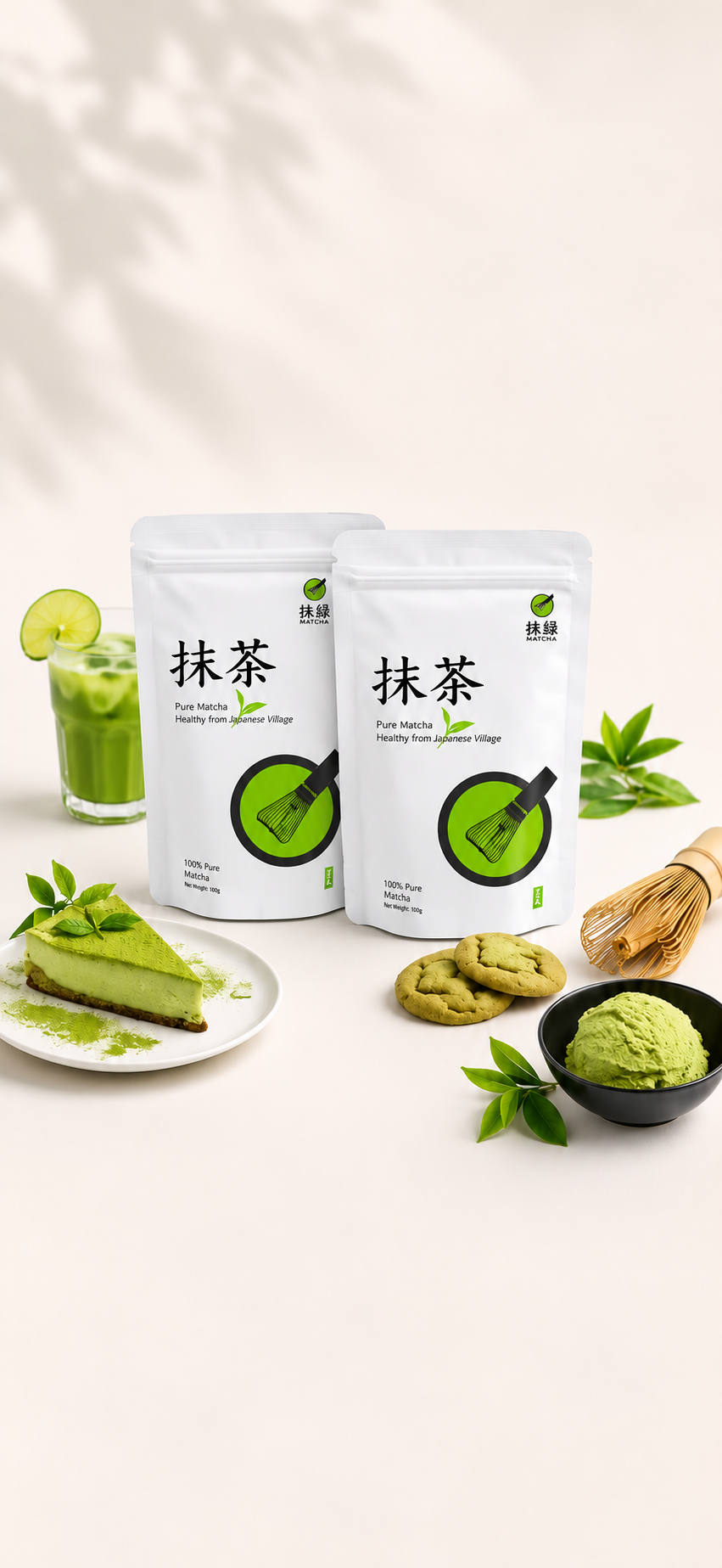
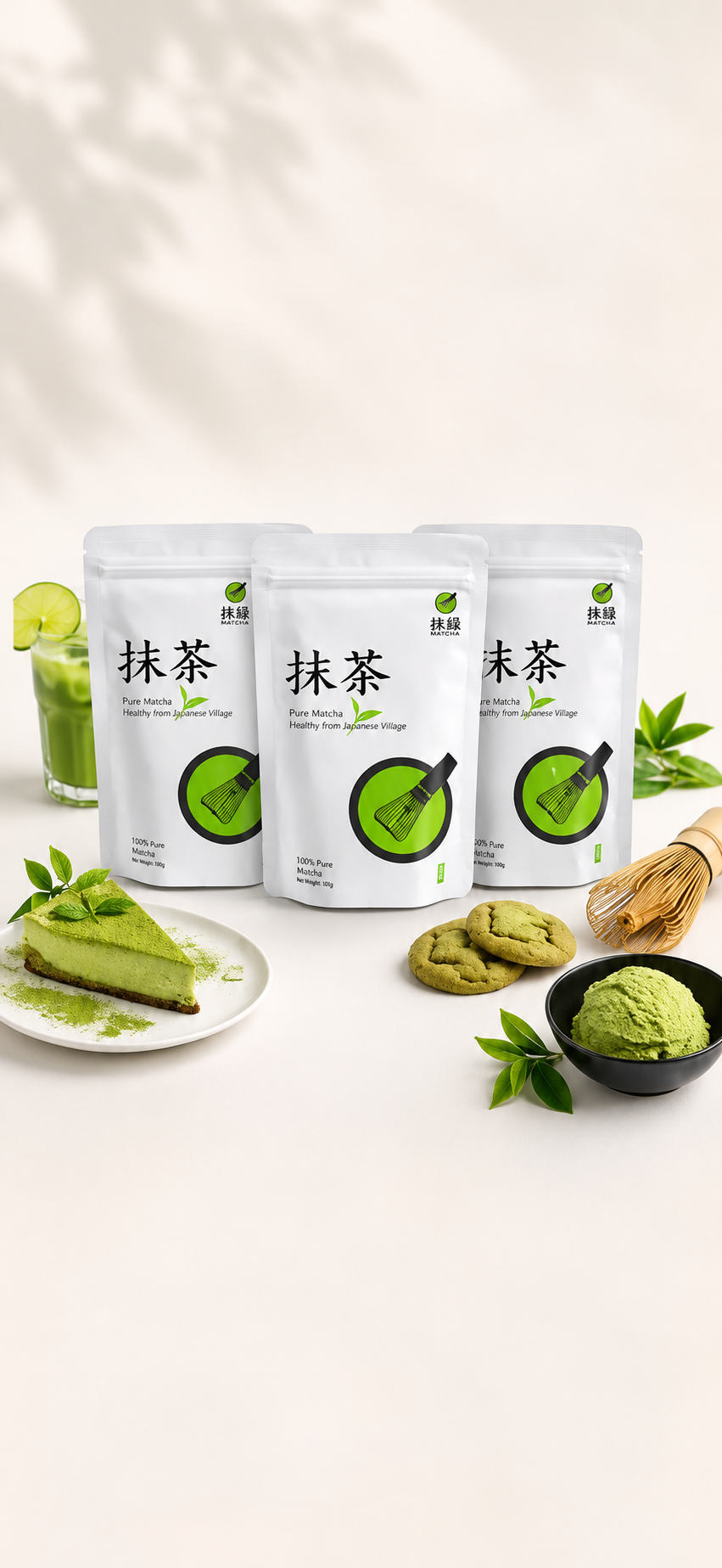
Start with one 2 g cup in the morning for a week, then add a second one in the early afternoon if you like. Use a measuring scoop to stay consistent, and a pure matcha so you know exactly what you are drinking. Our organic Pure Matcha is 100% organic, from Japan, with no sugar or additives. If you drink one or two cups a day, the 2-pouch pack or the 2 pouches + 1 free offer will last you several weeks. Free delivery anywhere in Morocco in under 48 hours, with cash on delivery.
FAQ
Can you drink matcha every day?
Yes, for most healthy adults 1 to 2 cups a day (2 to 4 g) is a reasonable amount. Take your other caffeine sources, such as coffee or mint tea, into account.
Does matcha have more caffeine than coffee?
Usually a little less. A 2 g cup of matcha provides about 60 to 70 mg of caffeine, compared with 60 to 80 mg for an espresso and often more for a large filter coffee.
Can you drink matcha while pregnant?
EFSA's caffeine reference during pregnancy and breastfeeding is 200 mg per day from all sources. One cup can fit within that limit, but always ask your doctor first.
Can you drink matcha in the evening?
If you are sensitive to caffeine, avoid it within 6 hours of bedtime. Morning or early afternoon is a better choice.
Should you drink matcha on an empty stomach?
It is not necessary. If your stomach is sensitive, have it after a snack or as a latte with milk.
For this recipe
What we use
Blog
Read next
Matcha and weight loss: what's true and what's exaggerated
Matcha will not make you lose weight on its own. Its real strength is replacing sodas, frappés and very sweet teas with a sugar-free drink. Here are the facts versus the hype.
Does matcha keep you awake? Caffeine, timing and tips
A cup of matcha contains 60 to 70 mg of caffeine, which stays active for several hours. Here is when to stop and how to enjoy it without ruining your nights.
Drinking matcha on an empty stomach: good or bad idea?
Matcha on an empty stomach suits some people and makes others queasy. It all depends on your stomach: here is how to enjoy it in the morning without discomfort.