
Matcha during pregnancy and breastfeeding: caffeine and care
A cup of matcha contains 60 to 70 mg of caffeine. During pregnancy and breastfeeding, the EFSA reference is 200 mg a day from all sources. Here is how to keep track.
Matcha is not off-limits during pregnancy or breastfeeding, but it does contain caffeine: roughly 60 to 70 mg per 2 g cup. The European Food Safety Authority (EFSA) uses 200 mg of caffeine per day as a reference for pregnant and breastfeeding women, counting every drink and food together. Either way, your doctor or midwife has the final word, so ask their advice before making matcha part of your routine.
How much caffeine is in a cup of matcha?
Matcha is green tea leaf ground into a fine powder that you drink whole. It is estimated to contain about 30 mg of caffeine per gram. A standard 2 g cup therefore holds 60 to 70 mg, about the same as an espresso and a little less than a large filter coffee (around 95 mg). A latte made with 3 or 4 g of powder climbs to roughly 90 to 120 mg.
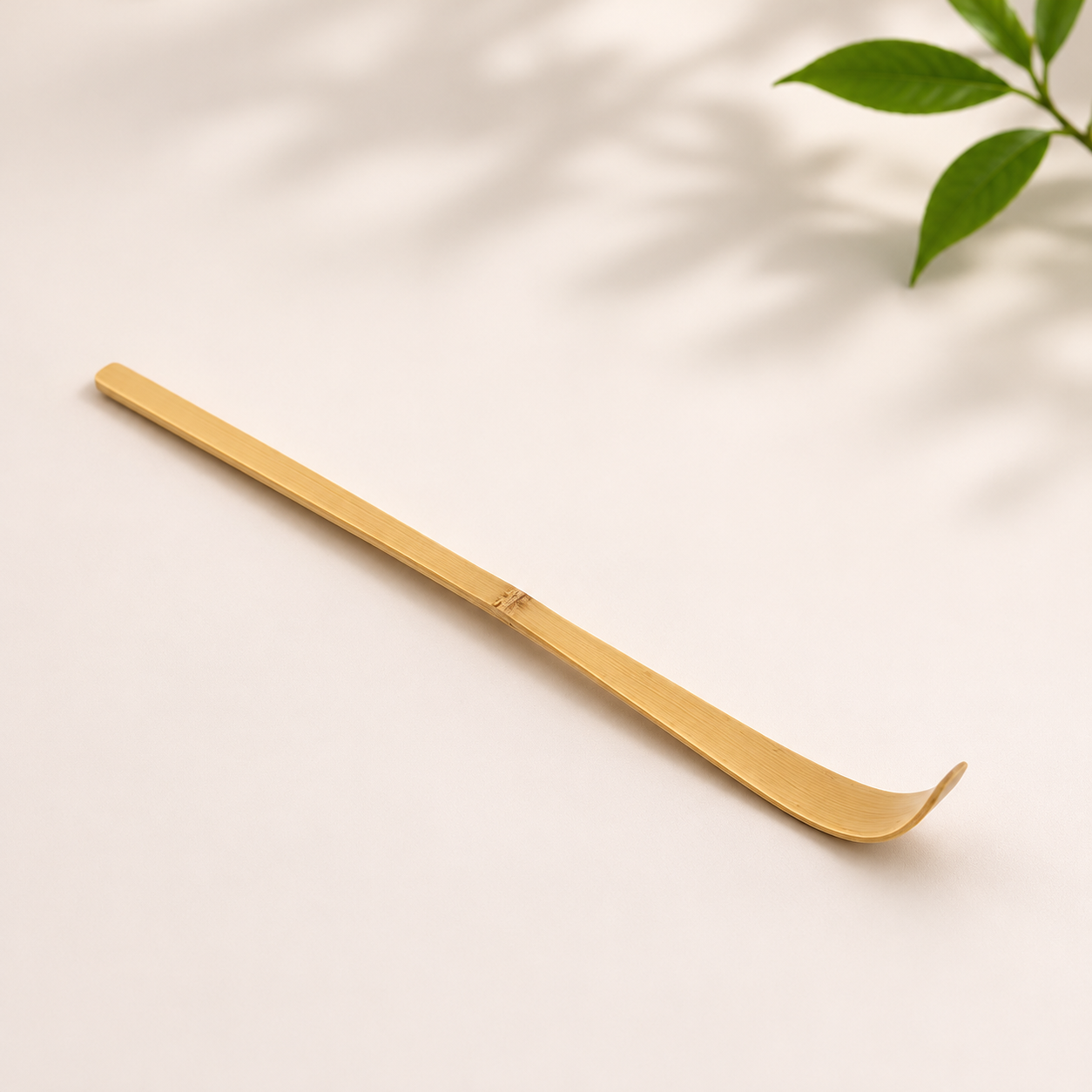
That is why precise measuring matters. A bamboo scoop helps you keep portions consistent, and you can easily make a gentler half dose of 1 g with our organic matcha powder.
The 200 mg reference covers every source
The easy mistake is forgetting the other caffeine you have during the day. In Morocco there is plenty of it:
- coffee: an espresso has about as much as a cup of matcha, a large filter coffee more;
- mint tea: brewed gunpowder green tea provides about 20 to 40 mg per glass depending on strength, and people often drink several glasses;
- cola and energy drinks;
- chocolate, especially dark, plus coffee or cocoa desserts.
EFSA also notes that adults should avoid more than 200 mg in a single serving. During pregnancy the daily reference is itself at that level, so it makes sense to spread your drinks out and stay well below it if you combine several. These figures are general guidelines, not personal advice.
Catechins, iron and folic acid
Matcha is rich in antioxidants called catechins. Some studies suggest that tea compounds may reduce the absorption of plant-based iron when consumed with a meal, and a few studies have looked at a possible effect on folic acid. The evidence is limited and does not allow firm conclusions, but both nutrients matter a great deal during pregnancy.
As a precaution, many health professionals suggest:
- drinking matcha away from meals, for example an hour before or after;
- not taking it at the same time as iron or folic acid supplements;
- talking to your doctor, especially if you are anaemic or taking supplements.
What might a reasonable day look like?
Two indicative examples, to adapt with your healthcare provider:
- One 2 g cup of matcha mid-morning (about 65 mg) and two glasses of light mint tea in the afternoon (about 40 to 80 mg): around 105 to 145 mg in total.
- One coffee in the morning (about 65 to 95 mg) and a 1 g half dose of matcha in the afternoon (about 30 mg): around 95 to 125 mg.
On the other hand, a generous matcha latte, a large coffee and a few strong glasses of tea can push you past 200 mg without noticing. For more on serving sizes, read our guide on how much matcha per day and our comparison matcha or coffee.
While breastfeeding
A small share of caffeine passes into breast milk, and babies clear it much more slowly than adults. The EFSA reference remains 200 mg per day. Some mothers prefer to have their cup right after a feed to leave time before the next one. If your baby seems restless or sleeps poorly, mention it to your doctor or midwife.
Alternatives if you want to cut down
- The half dose: 1 g of matcha in a large glass of hot or cold milk keeps the flavour with about half the caffeine.
- Caffeine-free infusions: lemon verbena, a little orange blossom water, or fresh mint on its own without green tea. Do ask for advice on herbs, as not all are recommended during pregnancy.
- Flavoured water: fresh mint, lemon and ice cubes on hot days.
In short
Matcha can fit into pregnancy or breastfeeding if you count all the caffeine in your day, drink it away from meals and supplements, and above all discuss it with your doctor or midwife. This article is for information only and does not replace medical advice. In the evening, also keep sleep in mind, as explained in our article on matcha and sleep.
FAQ
Can I drink matcha while pregnant?
Matcha is not forbidden as such, but each cup contains about 60 to 70 mg of caffeine. The EFSA reference during pregnancy is 200 mg per day from all sources; ask your doctor or midwife for advice.
How many cups of matcha a day during pregnancy?
It depends on your other caffeine sources such as coffee, mint tea, soft drinks and chocolate. One 2 g cup already accounts for about a third of the 200 mg reference, and only your doctor can give you tailored advice.
Does matcha block iron absorption?
Some studies suggest tea compounds may reduce the absorption of plant-based iron when taken with meals. As a precaution, drink matcha away from meals and supplements, and talk to your doctor.
Can I drink matcha while breastfeeding?
Some caffeine passes into breast milk. The EFSA reference remains 200 mg per day, and some mothers have their cup just after a feed. Your doctor or midwife has the final word.
For this recipe
What we use
Blog
Read next
Matcha and weight loss: what's true and what's exaggerated
Matcha will not make you lose weight on its own. Its real strength is replacing sodas, frappés and very sweet teas with a sugar-free drink. Here are the facts versus the hype.
Does matcha keep you awake? Caffeine, timing and tips
A cup of matcha contains 60 to 70 mg of caffeine, which stays active for several hours. Here is when to stop and how to enjoy it without ruining your nights.
Drinking matcha on an empty stomach: good or bad idea?
Matcha on an empty stomach suits some people and makes others queasy. It all depends on your stomach: here is how to enjoy it in the morning without discomfort.